Prop Bet Scanners in Combat Sports: Spotting Overlays Across MMA and Boxing Cards
Rosa Weber · Aug 6, 2026
Prop Bet Scanners in Combat Sports: Spotting Overlays Across MMA and Boxing Cards
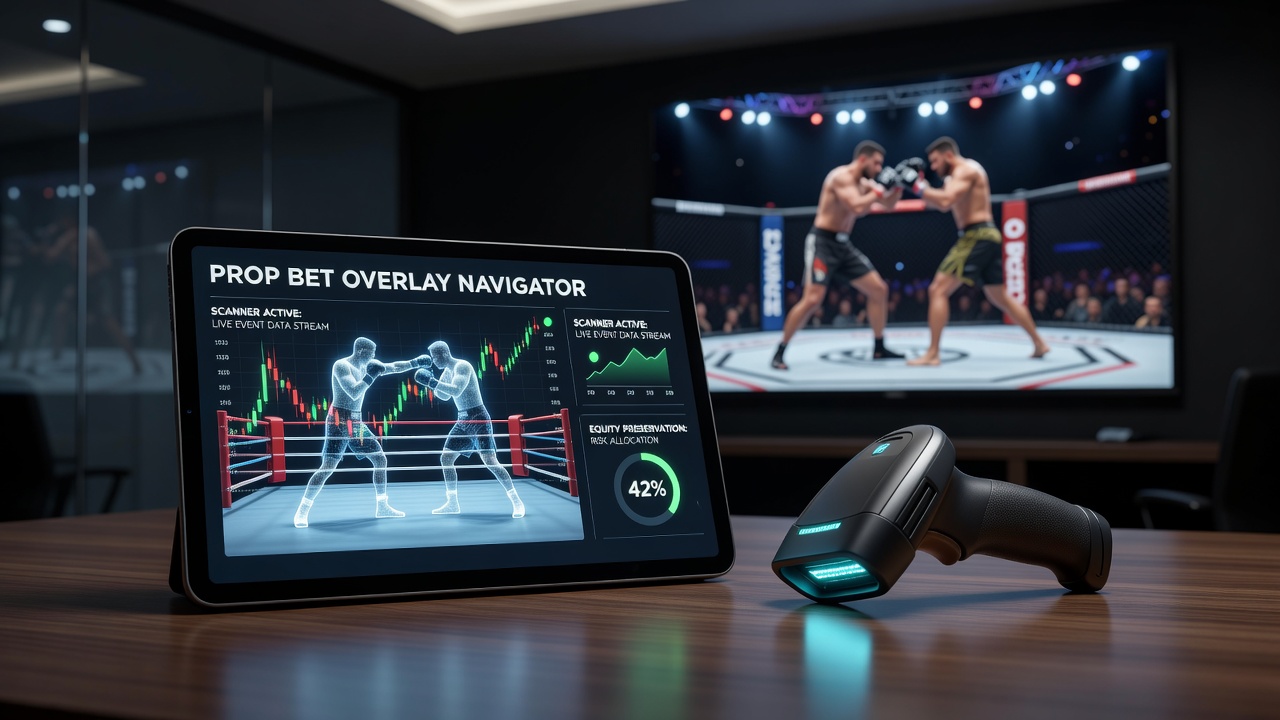
Combat sports events generate extensive proposition markets that extend well beyond simple fight winners, and scanner technology now processes these lines at high speed to flag potential overlays where implied probabilities diverge from calculated edges. Operators release bets on round totals, method of victory, significant strikes landed, and takedown attempts during UFC cards, boxing matches, and regional promotions, while aggregators compile odds across multiple books to highlight discrepancies in August 2026 data feeds.
How Scanner Platforms Process Combat Sports Data
Scanner systems pull live and pre-fight odds from licensed sportsbooks, convert each price into an implied probability, then compare that figure against an internal model built from historical strike rates, fighter metrics, and venue factors, so users receive alerts when the market price exceeds the model's threshold. These tools update continuously during weigh-ins and press conferences because fighter availability and weight cuts alter probabilities, and the same platforms track line movement to confirm whether an overlay persists or closes quickly after sharp money arrives.
Common Prop Categories That Produce Frequent Overlays
Round total bets and method-of-victory wagers often show the largest gaps because books adjust them more slowly than main event moneyline markets, while regional promotions with thinner betting limits create additional room for discrepancies. Data from events in the first half of 2026 indicated that underdog finish props in preliminary bouts carried higher average overlays than championship fights, largely because lower public interest delayed line corrections. Observers note that strike and takedown props can also drift when late injury news emerges, yet scanners flag these shifts within minutes of public reports rather than hours.
Equity Preservation Techniques Used Alongside Scanners
Bankroll management formulas such as fractional Kelly staking and fixed-percentage allocation limit exposure on each identified overlay, and practitioners apply these rules before placing any wager identified by the scanner. Position sizing accounts for the variance inherent in prop bets because a single missed strike count or unexpected stoppage can swing results more than a standard moneyline outcome. Multiple sources, including reports from the Nevada Gaming Control Board, show that operators in that jurisdiction recorded rising handle on combat sports props during 2025, which underscores the need for disciplined sizing when volume increases.
One documented approach involves setting a maximum daily risk ceiling expressed as a percentage of the total bankroll, then scaling individual stakes downward when multiple overlays appear on the same card so that correlated outcomes do not compound exposure. Software calculators integrate directly with scanner outputs to compute these adjusted stakes automatically, reducing the chance of manual error during fast-moving fight weeks.
Integration of Aggregators with Live Event Monitoring
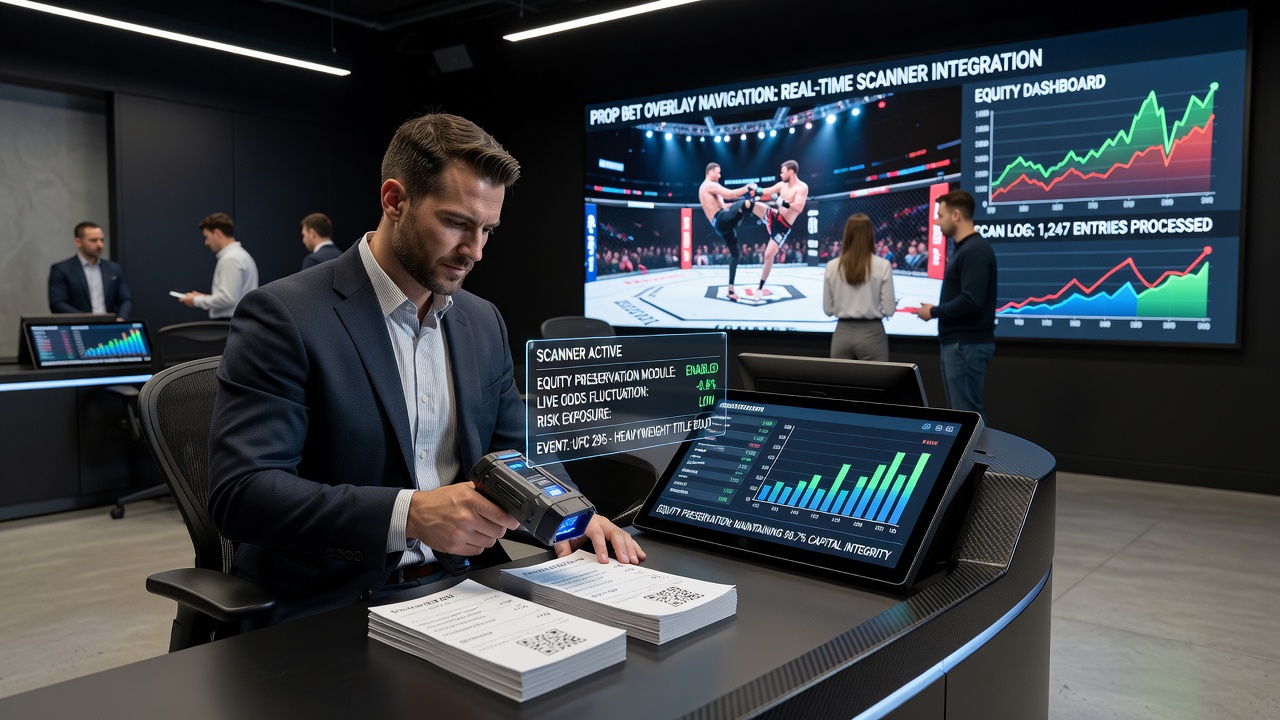
Aggregator platforms combine scanner alerts with real-time statistical feeds from the cage or ring, allowing users to reassess an overlay once the first round begins and new data on pace or power becomes available. In August 2026 several major promotions expanded their in-fight betting menus, and the additional markets required scanners to refresh models every thirty seconds rather than every few minutes. Those who monitor these feeds report that early-round strike differentials frequently create secondary overlays on remaining-round totals that were not visible before the opening bell.
Regulatory Context and Data Availability in 2026
North American and Australian regulatory bodies released aggregated sports betting figures through mid-2026 that included breakdowns by sport and wager type, yet combat sports props remained a smaller slice of overall handle compared with football and basketball. Industry associations such as the American Gaming Association published summaries showing continued growth in mixed-martial-arts betting, which in turn supported further development of scanner tools tailored to that sport's unique prop structures. Canadian provincial regulators also began publishing quarterly reports on online betting activity, providing additional benchmarks for model calibration without relying on any single jurisdiction.
Conclusion
Scanner technology combined with structured staking methods supplies a systematic route through the expanding prop landscape in combat sports, and the data released by multiple regulatory agencies in 2026 confirms that these markets continue to attract significant volume. Observers continue to track how quickly books adjust lines after scanner-driven activity appears, while equity formulas keep individual positions proportionate to overall resources. The combination of rapid data processing and consistent bankroll rules forms the operational framework currently used across professional betting operations focused on MMA and boxing events.